Golf Double Tee: A Designer’s Review for Personalized Gifts
As an embroidery designer who spends countless hours digitizing and testing patterns, I approach every new machine embroidery design with a mix of curiosity and caution. We are not just stitching thread into fabric; we are creating tangible memories for customers. Recently, I loaded the Golf Double Tee design into my software to evaluate its potential for my personalized gift shop. This is not just another sports motif; it is a versatile element that bridges the gap between athletic enthusiasm and heartfelt gifting.
First Impressions: Mood and Charm
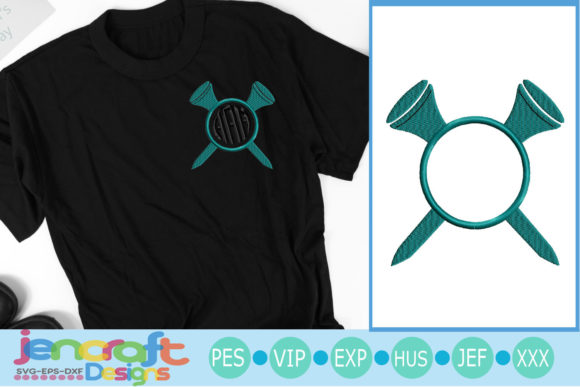
When I first viewed the Golf Double Tee on screen, I was struck by its clean lines and balanced composition. In the world of Sports themed Embroidery, designs can often feel overly aggressive or cluttered with too many details that do not translate well to thread. However, this design feels refined. It possesses a classic charm that appeals to the modern golfer while retaining a timeless elegance. The mood is playful yet sophisticated, making it suitable for a wide demographic, from young enthusiasts to seasoned players.
The detail level is appropriate for machine execution. It avoids the pitfalls of excessive micro-stitching, which can lead to thread breaks and frustration during production. Instead, it offers a lovely accent that enhances rather than overwhelms the base fabric. Whether you are aiming for a sweet, handmade aesthetic or a crisp, professional look, this design adapts beautifully. It feels like a premium addition to any catalog, elevating the perceived value of the final item.
Versatility Beyond the Golf Course
While the product description highlights its use on polo shirts, hoodies, and caps, my experience suggests that Golf Double Tee has far broader applications for the creative entrepreneur. As an Etsy seller or small business owner, you know that niche designs often limit your customer base. This design, however, opens doors to various personalized gift categories.
- Personalized Towels and Aprons: Imagine this design stitched onto a high-quality cotton apron for a father who loves both cooking and golf. It transforms a standard kitchen item into a cherished keepsake.
- Pillow Covers and Nursery Decor: For baby embroidery projects, scaling the design down can create a subtle, thematic accent for a nursery. It works wonderfully on neutral-toned pillow covers, adding a touch of personality without being overpowering.
- Custom Tote Bags: Canvas tote bags are staples in the handmade market. Placing this design on a sturdy canvas bag creates a functional and stylish accessory for carrying golf gear or everyday essentials.
- Wedding Gifts and Keepsakes: For the groom or groomsmen, this design can be incorporated into a larger monogrammed project. It adds a personal hobby reference to a formal wedding gift, enhancing the emotional connection.
The key here is context. By positioning Golf Double Tee as part of a lifestyle brand rather than just sports merchandise, you attract buyers looking for meaningful, custom embroidery that reflects the recipient's passions.
Navigating Fabric and Technical Challenges
Every designer knows that a beautiful digital file does not guarantee a perfect finished product. Testing Golf Double Tee revealed specific areas where careful attention is required. When working with textured fabric, such as waffle-weave towels or thick terry cloth, the intricate parts of the design may get lost. I recommend using a cut-away stabilizer to provide sufficient support and prevent the stitches from sinking into the pile.
Stretchy baby clothes present another challenge. If you plan to use this for baby embroidery, ensure you hoop the garment tightly with a tear-away or no-show mesh stabilizer. The stitch density appears moderate, but on highly elastic fabrics, even moderate density can cause puckering if not stabilized correctly. Always test on scrap fabric first. This simple step saves time and materials, ensuring that your final product meets professional standards.
Dark fabrics require special consideration regarding thread colors. While the design looks striking in traditional white or navy, experimenting with contrasting metallics or bright hues can make it pop on black hoodies or deep green polos. However, avoid using threads that blend too closely with the background, as this diminishes the visual impact. Compare light and dark fabric mockups before committing to a large production run.
Enhancing Giftability and Perceived Value
In the handmade market, presentation is everything. The Golf Double Tee design contributes significantly to the giftability of a product. Customers are not just buying an embroidered item; they are buying the feeling of being understood. A golf enthusiast receiving a custom hoodie with this design feels seen and appreciated. This emotional connection drives buyer engagement and encourages repeat business.
From a photography standpoint, this design photographs well. Its clear lines and recognizable shape make it easy to showcase in product listings. Use natural lighting to highlight the texture of the thread against the fabric. A well-lit photo of an embroidered towel or pillow cover can significantly increase click-through rates on platforms like Etsy. The design acts as a focal point, drawing the eye and inviting the viewer to imagine owning the item.
Furthermore, using a high-quality digital embroidery file builds customer trust. When buyers see consistent, clean stitching in your portfolio, they associate your brand with reliability. This is crucial for small shop products where word-of-mouth and reviews drive growth. A flawless execution of Golf Double Tee signals that you care about quality, reinforcing your reputation as a skilled artisan.
Practical Notes for Production
Before adding Golf Double Tee to your inventory, consider these practical steps to ensure smooth production:
- Check Hoop Size: Verify that the design fits within your standard hoop sizes. If it is large, ensure your machine can handle the dimensions without re-hooping, which can cause alignment issues.
- Review Stitch Density: Examine the stitch count relative to the size. If the density is too high for lightweight fabrics, consider using a lighter weight thread or adjusting the underlay settings in your software if you have the editable version.
- Confirm Commercial Licensing: Always check the license terms associated with the embroidery file. Ensure you have the right to sell finished products commercially. This protects your business from legal issues and respects the original designer’s work.
- Test Small Details: After stitching a sample, inspect the smallest elements of the design. Are they crisp? Do they pull or distort? If certain details are too fine for your typical fabric choices, consider simplifying the design or recommending sturdier materials to your customers.
- Create Printable Mockups: Use digital mockups to show customers how the design looks on different items. This helps them visualize the final product and reduces hesitation during the purchasing process.
In conclusion, Golf Double Tee is a valuable addition to any embroidery designer’s library. It balances aesthetic appeal with technical feasibility, making it ideal for a range of personalized gifts. By understanding its strengths and limitations, you can create stunning, high-quality products that resonate with customers. Whether you are crafting a wedding gift, a baby keepsake, or a custom tote, this design offers the versatility and charm needed to stand out in a crowded market. Embrace the creative possibilities, test thoroughly, and let your craftsmanship shine.