Owl Applique: A Designer’s Review for Branded Merch
As an embroidery designer who has spent years digitizing and testing files for commercial use, I approach every new machine embroidery design with a critical eye. It is not just about whether a motif looks cute on a screen; it is about how it performs in the real world of small business merchandise. Recently, I evaluated the Owl Applique, a design categorized under Birds, to determine its viability for branded patches, custom apparel, and boutique product lines. This review focuses on its practical application for Etsy sellers, apparel decorators, and creative studios looking to elevate their brand identity through high-quality Embroidery.
First Impressions: Visual Personality and Brand Fit
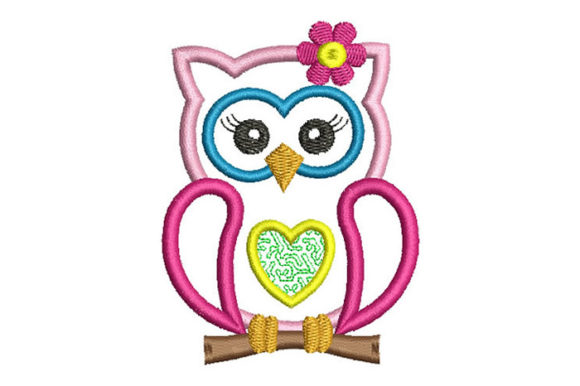
The initial description of this file highlights it as a "cute and girly owl embroidery," positioning it as an ideal embellishment for children’s outfits or bags. From a design perspective, this suggests a playful, approachable aesthetic. For a small business owner, understanding the visual personality of your assets is crucial. The Owl Applique does not scream corporate rigidity; instead, it offers warmth and friendliness. This makes it an excellent candidate for brands that want to project accessibility and charm.
However, "cute" does not mean unprofessional. When executed correctly, playful designs can significantly enhance customer trust by humanizing a brand. Whether you run a local bakery, a pet grooming service, or a handmade jewelry shop, incorporating whimsical elements like this owl can create an emotional connection with your audience. The key is ensuring that the execution remains crisp and clean, avoiding any amateurish look that might detract from your perceived value.
Real-World Applications for Small Business Merch
The versatility of the Owl Applique extends far beyond a little girl’s bag. In my experience, applique styles are particularly valuable for commercial embroidery because they often reduce stitch count while maximizing visual impact. Here is how I envision this design working across various product lines:
- Embroidered Patches: This is perhaps the strongest use case. An applique owl can be stitched onto twill or felt backings to create iron-on or sew-on patches. These are perfect for adding to denim jackets, canvas totes, or even as limited-edition collectibles for your loyal customers.
- Staff Uniforms and Aprons: For cafes, florists, or craft studios, a small owl accent on the chest pocket of an apron adds a signature touch. It transforms a standard uniform into a branded asset that reinforces your brand identity every time an employee interacts with a client.
- Cap Embroidery: While curved surfaces are tricky, a simplified version of this owl could work beautifully on the side panel of a dad hat or beanie, offering a subtle nod to your brand without overwhelming the headwear.
- Tote Bag Design: Canvas bags are a staple for eco-friendly brands. Placing the owl prominently on the front creates a walking advertisement. The contrast between the thread colors and the natural fabric texture can make the design pop.
Enhancing Product Value and Customer Engagement
When you integrate a well-chosen design like the Owl Applique into your small business merch, you are doing more than decorating fabric. You are increasing the perceived value of the finished product. A plain tote bag might sell for ten dollars, but one featuring a unique, high-quality embroidered owl can command a higher price point because it is seen as a handmade product with artistic merit.
Furthermore, consistent use of such design assets helps build recognition. If customers see this specific owl on your packaging, your social media posts, and your physical products, it creates a cohesive visual language. This consistency fosters professionalism and makes your brand memorable in a crowded marketplace.
Technical Considerations and Potential Pitfalls
While the aesthetic appeal is strong, technical execution is where many small businesses stumble. As a designer, I must advise caution in several areas to ensure your commercial embroidery projects succeed.
Size and Detail: Applique designs rely on the fabric cutout for the main shape, with stitching defining the edges and details. If you attempt to scale the Owl Applique down too small for a tiny patch or a delicate sleeve detail, the satin stitches outlining the applique may become too dense or merge together. Always check the minimum recommended size. If the original description mentions it comes with multiple sizes, utilize the largest one for better clarity and the smallest only if the details remain distinct.
Fabric Texture and Stabilizer: The success of this design depends heavily on the substrate. On smooth cotton or polyester, it will look crisp. However, on textured fabrics like heavy wool or rough canvas, the edges of the applique might get lost. Using the correct stabilizer is non-negotiable. For stretchy fabrics like t-shirts, a cut-away stabilizer is essential to prevent distortion. For woven fabrics like aprons or tote bags, a tear-away might suffice, but testing is key.
Thread Color Contrast: Since this is described as "girly" and "cute," it likely utilizes soft or vibrant thread colors. Ensure there is sufficient contrast between the applique fabric, the outline stitches, and the background garment. A low-contrast combination can make the design look muddy from a distance, reducing its effectiveness as a logo accent.
Practical Designer Notes for Production
Before you commit to a large production run of custom apparel or merchandise featuring the Owl Applique, follow these steps to mitigate risk:
- Test in Black and White: Before selecting your final thread palette, stitch out the design in black thread on white fabric. This helps you evaluate the clarity of the lines and the balance of the composition without the distraction of color.
- Verify File Specifications: The product description notes that the digital embroidery file comes with multiple formats, but it cuts off before listing them. Always confirm that you have the correct file type for your machine (such as PES, DST, or JEF) and verify the hoop size requirements. Do not assume compatibility; check the folder contents immediately after purchase.
- Create a Printable Mockup: Use digital tools to place the owl on images of your actual products. This allows you to visualize scale and placement before wasting thread and fabric. Share this printable mockup with clients for approval if you are doing custom work.
- Check Licensing Terms: Never assume a file is free for commercial use. Review the license agreement included with the download. Ensure you are permitted to use the design on items for sale, such as embroidered patches or branded uniforms.
- Inspect Stitch Density: High stitch density can cause puckering, especially on lighter fabrics. If the design feels stiff after stitching, consider adjusting your tension or using a lighter weight applique fabric.
Final Verdict: Is It Right for Your Brand?
The Owl Applique is a charming addition to the Birds category of embroidery designs. It is not merely a decorative element but a strategic tool for small business owners who want to infuse personality into their merchandise. It works best for brands that value a handmade, approachable, and friendly image. Whether used on a barista’s apron, a boutique’s tote bag, or a child’s accessory line, it has the potential to enhance brand identity and drive engagement.
However, its success relies entirely on proper technical execution. By respecting the limitations of size, fabric, and stabilization, and by treating the design as a core part of your visual strategy, you can transform this simple owl into a powerful symbol of your business. Always prioritize quality control, test thoroughly, and ensure your design assets align with your overall brand message. When done right, this applique is not just stitching; it is a statement of care and creativity that customers will notice and appreciate.