Reviewing the Layered Fairy Door for Real Projects
As a designer who spends more time staring at stitch maps than finished garments, I have learned that not every cute concept translates well to thread. We have all seen those overly complex digital files that look stunning on a screen but turn into a tangled mess of bird’s nests on the hoop. That is why I approach new additions to my library with a healthy dose of skepticism. Recently, I pulled up the Layered Fairy Door to see if it held up under professional scrutiny. This is not just about whether the image is pretty; it is about whether this machine embroidery design can survive the rigors of a real-world embroidery project.
First Impressions and Visual Mood
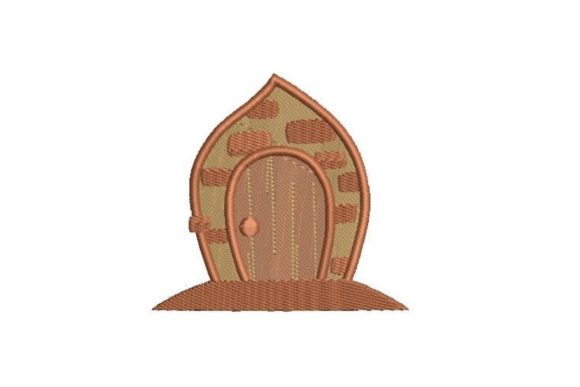
The immediate appeal of the Layered Fairy Door lies in its whimsical narrative. It taps directly into the Fairy Tales aesthetic without feeling childish or cluttered. The concept of "layering" in Embroidery usually implies depth, often achieved through varied stitch types or strategic color blocking. In this design, the visual personality feels inviting and magical, creating a mood that is perfect for nursery decor or personalized gifts for children.
What stands out initially is the balance between detail and clarity. A common pitfall in themed designs is over-complication. Too many tiny elements can get lost in the fabric texture, especially on items that will be washed frequently. The layout here seems to prioritize recognizable shapes, which is crucial for maintaining the integrity of the image when scaled down for smaller hoops or scaled up for statement pieces like pillow covers.
Real-World Application: The Tote Bag Test
To truly evaluate a design, you have to imagine it on a product. I visualized the Layered Fairy Door on a canvas tote bag, a staple for any Etsy seller or craft fair vendor. Canvas has a distinct weave, and a design needs enough density to cover the fabric grain without looking like a sparse afterthought.
In this scenario, the design acts as a central focal point. For a tote bag design, placement is key. Centered on the front panel, the fairy door becomes a conversation starter. The whimsical nature fits perfectly with the current trend of cottagecore and fantasy-inspired accessories. If I were producing this for a small shop product line, I would consider offering it in multiple colorways. A pastel palette would suit a baby shower gift, while deeper, earthier tones could appeal to adult buyers looking for unique handmade product options.
Apparel and Customization Potential
Beyond bags, this design has strong potential in custom apparel. Imagine it stitched onto the chest of a youth-sized hoodie or as a large back piece on a sweatshirt. Sweatshirt embroidery requires careful attention to stitch density because fleece and cotton blends can pucker if the design is too dense or lacks proper stabilization.
The Layered Fairy Door appears to have a mix of solid areas and open spaces. This is beneficial for apparel because it reduces the overall weight of the stitching, keeping the garment comfortable to wear. For baby embroidery, such as on a onesie or a burp cloth, the soft, rounded lines of a fairy door are safe and appealing. Parents love items that feel special and story-driven, making this a strong candidate for high-margin personalized gift items.
Technical Considerations for Stitching
While the aesthetic is charming, the technical execution is where a design lives or dies. When working with a file like this, I always check the stitch types. A good machine embroidery design will utilize a combination of satin stitch for borders and fine details, and fill stitch for larger colored areas. Running stitches are often used for underlay or delicate outlines.
Stitch density is a critical factor. If the density is too high, the fabric may gather or tear, particularly on thinner materials like jersey knits or silk. If it is too low, the background fabric will show through, ruining the illusion of the layered effect. Since the product description notes that this design comes with multiple embroidery file formats, it is likely optimized for various machines. However, I always recommend testing on scrap fabric first. This allows you to adjust tension and ensure the stabilizer you are using is appropriate for the fabric weight.
For textured fabrics, such as terry cloth towels or denim, you might need a cut-away stabilizer to prevent distortion. On stretchy fabrics, a lightweight fusible stabilizer can help keep the design crisp. Always inspect small details after the test run. Are the corners sharp? Do the tiny elements bridge correctly, or do they pull apart? These are the questions that determine if a design is ready for client work.
Navigating Challenges and Limitations
No design is universal, and the Layered Fairy Door is no exception. There are specific scenarios where caution is advised. For instance, applying this to curved surfaces like caps requires experience. The hoop size must accommodate the curve, and the design should not be so wide that it distorts around the seam. If the design includes very fine lettering or intricate architectural details of the door, these might not stitch out clearly on rough textures like burlap or heavy wool.
Dark fabrics present another challenge. If the design relies on light thread colors, you must ensure there is sufficient underlay to prevent the dark fabric from peeking through. Conversely, if you are stitching on dark fabric with dark threads, you lose definition. I often test designs in black and white mockups to check for contrast issues before committing to expensive threads. Additionally, if the design is intended for items that undergo frequent washing, such as kitchen towels or active wear, ensure that the stitch connections are secure to prevent unraveling.
Commercial Value and Brand Consistency
For commercial embroidery professionals and digital embroidery file sellers, the value of a design lies in its versatility and marketability. The Layered Fairy Door fits neatly into several profitable niches: holiday gifts, birthday presents, and boutique branding. It offers a level of professionalism that generic clipart lacks. When customers see a well-executed, thematic design, it builds trust in your brand.
Using high-quality design assets like this enhances the perceived value of your finished product. Whether you are creating an embroidered patch for a jacket or a decorative accent on a home goods item, the clarity of the stitch work reflects on your craftsmanship. For craft business owners, having a reliable, visually appealing design reduces the risk of customer returns due to poor quality.
Before selling items made with this design, always confirm the licensing terms. Some designers allow unlimited commercial use, while others require an extended license for mass production. Checking these details protects your business and respects the creator's intellectual property.
Final Verdict for Makers
The Layered Fairy Door is a strong contender for makers looking to add a touch of magic to their portfolio. It balances artistic charm with practical application, provided you respect the technical requirements of your chosen fabric and hoop size. By testing thoroughly and choosing the right materials, you can transform this digital file into a tangible, beloved item. Whether for a holiday embroidery project or a year-round bestseller, this design offers the flexibility and appeal needed in today’s competitive handmade market.