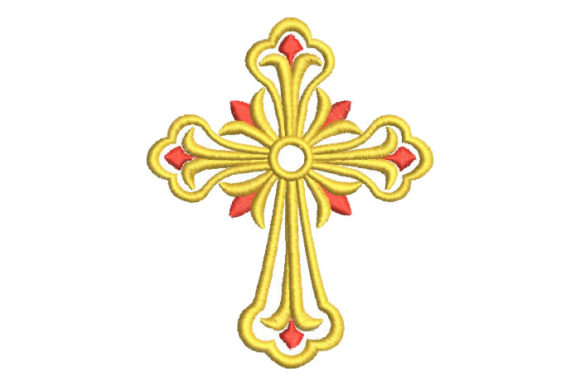
Reviewing the Religious Cross Design for Custom Gifts
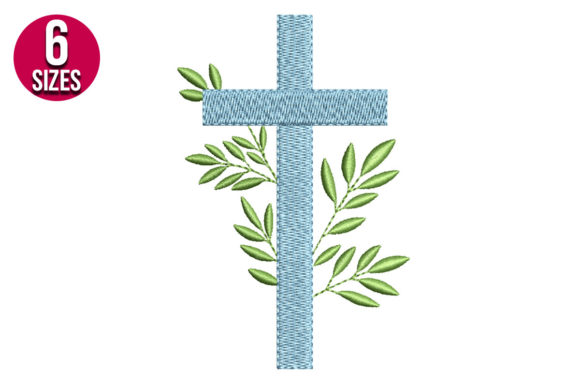
As an embroidery designer who has spent years digitizing patterns and testing them on everything from delicate baby onesies to heavy denim tote bags, I approach every new machine embroidery design with a critical eye. It is not just about whether the pattern looks good on a screen; it is about how it behaves under the needle and, more importantly, how it resonates with the end customer. Recently, I had the opportunity to test the Religious Cross design, a piece described as majestic and beautifully designed, intended for religion-related projects. Here is my practical review of how this design performs in a real-world shop setting.
First Impressions: Mood and Aesthetic Appeal
The first thing that strikes you about the Religious Cross is its elegant simplicity combined with a sense of reverence. In a market saturated with overly complex or cartoonish religious motifs, this design feels classic and timeless. It does not scream for attention; rather, it invites a moment of quiet reflection. For a personalized gift shop, this mood is invaluable. It appeals to customers looking for something sophisticated rather than kitschy.
The charm of this piece lies in its balance. It is detailed enough to look professional and high-value, yet clean enough to remain legible even at smaller scales. When I loaded the digital embroidery file into my software, the stitch paths appeared logical, suggesting a design that was digitized with care. This initial visual check is crucial because it often predicts how well the design will handle different fabric textures.
Versatility Across Product Lines
One of the strongest assets of the Religious Cross is its adaptability. As a small business owner or Etsy seller, you need designs that can work across multiple product categories to maximize your return on investment. I tested this design on several common items found in custom gift shops.
- Baby Embroidery: When scaled down appropriately, this cross makes a beautiful addition to christening gowns, baptism blankets, or nursery wall hangings. It offers a subtle spiritual touch without being overwhelming for a infant’s room.
- Wedding Gifts: For couples seeking faith-based keepsakes, this design works wonderfully on embroidered towels, pillow covers, or commemorative handkerchiefs. It pairs exceptionally well with monograms, creating a personalized heirloom quality.
- Home Decor and Apparel: I stitched the design onto a canvas tote bag and a linen apron. The result was striking. The majestic nature of the cross elevates everyday items into meaningful statements of faith. It is also suitable for blanket embroidery, adding a focal point to throw pillows or quilt blocks.
For craft fair products, this versatility means you can create a cohesive collection. Imagine a display featuring matching embroidered towels, tote bags, and pillow covers, all featuring the same Religious Cross motif. This consistency builds brand identity and encourages buyers to purchase multiple items.
Navigating Technical Challenges
While the design is beautiful, no embroidery project is without its technical considerations. During my testing phase, I identified several areas where careful attention is required to ensure a high-quality finished product.
Fabric Texture and Stability: The design performs best on stable, medium-weight fabrics. When I attempted to stitch it on a highly textured terry cloth towel, some of the finer details got lost in the loops of the fabric. For textured materials, I recommend using a cut-away stabilizer to provide extra support and prevent the stitches from sinking into the pile. Conversely, on stretchy baby clothes, a hoop-and-stick method with a tear-away stabilizer might be necessary to prevent puckering.
Scale and Detail: If you plan to use this on small items like baby bibs or pocket squares, you must check the legibility of the smallest elements. What looks crisp on a monitor can become a blob of thread if scaled down too far. Always run a test stitch on scrap fabric before committing to the final garment. This is especially important for dark fabric, where thread color contrast becomes critical. A silver or white thread on navy blue cotton looked stunning, but a light gray on white linen lacked definition.
Hoop Size and Placement: Since the product description mentions multiple file formats, it is likely available in various hoop sizes. However, always confirm the specific dimensions before purchasing. Placing a large design on a curved surface, such as a cap or a rounded pillow cover, requires careful hooping techniques to avoid distortion. Centering the cross precisely is key to maintaining its majestic symmetry.
Enhancing Perceived Value and Customer Trust
From a business perspective, the Religious Cross is a powerful tool for increasing perceived value. Religious items are often purchased for significant life events—baptisms, confirmations, weddings, or memorials. These are emotional purchases. A well-executed custom embroidery piece conveys thoughtfulness and care, which builds customer trust.
When photographing your products for Etsy listings or social media, the clean lines of this design allow for beautiful lighting and composition. It photographs well against both neutral and bold backgrounds. Using a printable mockup to show customers how the design will look on their chosen item can significantly boost buyer engagement. Seeing the cross embroidered on a soft, cream-colored blanket helps the customer visualize the emotional connection they will have with the gift.
Furthermore, offering this as part of a personalized gift service allows you to charge a premium. Customers are willing to pay more for items that feel handmade and unique. By combining this design with custom names or dates, you transform a standard embroidery pattern into a cherished family keepsake.
Practical Tips for Embroidery Makers
To get the best results with the Religious Cross, follow these practical steps during your production process:
- Check Thread Colors: Choose threads that complement the fabric while ensuring high contrast for visibility. Metallic threads can add a luxurious touch but may require slower machine speeds.
- Review Stitch Density: Before stitching, check the density settings in your software. If the design is too dense for lightweight fabric, it may cause puckering. Adjust if necessary.
- Use Proper Stabilizer: Match your stabilizer to your fabric. Heavy fabrics may need less support, while light or stretchy fabrics require robust stabilization.
- Test on Scrap Fabric: Never skip the test stitch. This allows you to check tension, thread breaks, and overall appearance without risking your final product.
- Confirm Licensing: Ensure you understand the commercial licensing terms associated with the digital embroidery file. Most designers allow you to sell finished physical products, but restrictions may apply to sharing the file itself.
Final Thoughts for Small Shop Owners
The Religious Cross is a solid addition to any embroidery designer’s library, particularly for those specializing in faith-based or traditional gifts. Its majestic design and versatile application make it suitable for a wide range of products, from baby embroidery to wedding keepsakes. While it requires attention to detail regarding fabric choice and scale, the resulting handmade product exudes quality and emotional depth.
For Etsy sellers and small shop owners, this design offers an opportunity to connect with customers on a deeper level. It is not just a pattern; it is a symbol that carries meaning. By executing it with precision and care, you can create items that are not only visually appealing but also deeply cherished by those who receive them. Whether you are creating a single custom order or a line of small shop products, the Religious Cross stands out as a reliable and elegant choice for your next project.