Split Airplane: A Designer’s Review for Business Merch
As an embroidery designer who has spent years digitizing and reviewing files for commercial use, I approach every new machine embroidery design with a critical eye. It is not just about whether the image looks cute on a screen; it is about how that design translates to fabric, how it holds up in the wash, and ultimately, how it serves the brand identity of the small business owner purchasing it. Today, I am reviewing Split Airplane, a digital embroidery file that sits somewhat unexpectedly within the "Robots" category but clearly targets aviation enthusiasts. For boutique owners, Etsy sellers, and apparel decorators, understanding the practical application of this design is key to maximizing its value.
First Impressions and Visual Personality
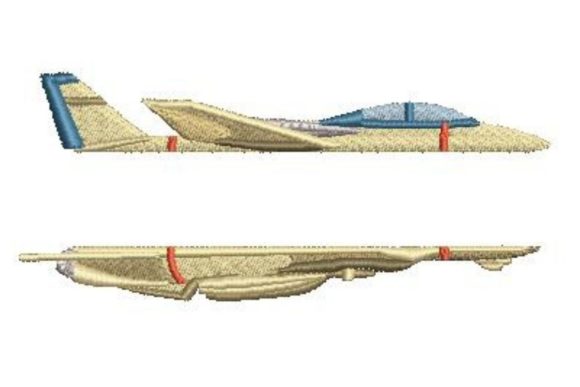
The product description notes that if your kids have a passion for airplanes, they would be very happy to have this nice design stitched to a nice t-shirt. This immediately signals the visual personality of Split Airplane. It leans towards playful, friendly, and accessible rather than ultra-corporate or rigidly technical. The term "Split" in the title suggests a dynamic composition, perhaps involving motion lines, a stylized cross-section, or a modern graphic take on an aircraft silhouette.
For a small business, this aesthetic is versatile. It does not scream "industrial manufacturing" but rather invites a sense of wonder and hobbyist passion. This makes it an excellent candidate for brands that want to appear approachable and community-focused. Whether you are running a local flight school, a children’s boutique, or a themed café, the design feels handmade and personal. It avoids the sterile look of mass-produced corporate logos, offering instead a charm that resonates with customers looking for unique, custom apparel.
Real-World Applications for Small Business Merch
When evaluating Split Airplane for commercial embroidery projects, I look at where it can generate revenue. Here is how this design performs across various merchandise types:
- Embroidered Patches: This is arguably the strongest use case. Aviation themes sell incredibly well as iron-on or sew-on patches. You can create a line of merchandise for local airports, flight museums, or aviation clubs. The design likely features bold shapes that translate well to the limited resolution of patch embroidery.
- Custom Apparel for Kids: As the description suggests, this is perfect for t-shirts. However, consider expanding to hoodies and sweatshirts for cooler weather. Parents love buying high-quality, themed clothing for their children’s hobbies.
- Tote Bag Design: Canvas tote bags are a staple for craft fairs and boutique retail. Placing Split Airplane on a natural cotton tote creates a stylish, everyday accessory that appeals to travelers and aviation fans alike.
- Cap Embroidery: Baseball caps and trucker hats are high-margin items. If the design is not too wide, it can serve as a striking front-panel logo. However, curvature is a factor here, which I will address in the technical notes.
- Event Merch and Customer Gifts: If you are organizing a local airshow, a STEM camp, or a birthday party, this design works beautifully on branded giveaways. It adds perceived value to simple items like drawstring bags or aprons.
Strategic Placement and Brand Identity
Using Split Airplane effectively requires thoughtful placement. For staff uniforms in a themed environment, such as a science center or a pilot supply store, consider using this as a sleeve detail or a chest pocket accent rather than a massive back print. This subtlety often conveys a higher level of professionalism and brand sophistication.
Brand identity is built on consistency. If your brand values creativity and exploration, this design reinforces that message. It tells the customer that you pay attention to details and share their passions. When used on product packaging accents, such as a small embroidered tag on a handmade pillow or a blanket, it elevates the finished product from a commodity to a keepsake. This emotional connection drives buyer engagement and encourages repeat business.
Technical Considerations and Production Notes
While the artistic appeal is clear, the technical execution determines the quality of the final product. As a designer, I must highlight several areas where caution is needed when working with this file.
Fabric Texture and Stabilizer Selection
The success of any embroidery depends on the interaction between thread, fabric, and stabilizer. For Split Airplane, if the design includes fine details or "split" elements, using the wrong stabilizer can cause puckering. Always test on real fabric before running a full production batch. For stretchy fabrics like t-shirt jersey, a cut-away stabilizer is usually best to maintain shape. For woven fabrics like canvas totes or denim caps, a tear-away might suffice, but always check the stitch density.
Stitch Density and Detail
High stitch density can make a garment stiff and uncomfortable, especially on children's clothing. Review the file to ensure the density is appropriate for the intended size. If the design is scaled down for a small patch or a hat front, detailed outlines may merge or break. It is crucial to inspect spacing at smaller sizes. If the "split" elements are too close together, they may fill in with thread during stitching, losing the intended visual effect.
Thread Colors and Contrast
Aviation designs often rely on contrast to define the shape of the plane against the background. Test the design in black and white first to see if the structure holds up without color reliance. Then, choose thread colors that complement your brand palette. High-contrast combinations work best for visibility, while tonal combinations offer a more premium, subtle look. Ensure your thread colors do not clash with the fabric color, especially on dark uniforms where lighter threads may be necessary for visibility.
Hoop Size and Constraints
The product description mentions the design comes with multiple formats, but it does not specify exact hoop sizes. Before promising this design to a client for a specific item, confirm the maximum dimensions. A design that fits a 5x7 hoop may not fit a 4x4 cap hoop without significant resizing, which could distort the aspect ratio. Always verify the hoop size compatibility with your machine and the intended garment.
Commercial Licensing and Final Verdict
Before integrating Split Airplane into your product line, you must confirm commercial licensing terms. Not all digital embroidery files allow for unlimited commercial use. Check the seller’s policy regarding the number of physical items you can produce. Additionally, since this file is categorized under "Robots," ensure there are no unexpected robotic elements mixed into the airplane motif that might confuse your branding.
Create a printable mockup for client approval if you are doing custom work. Seeing the design on a digital representation of a tote bag or shirt helps manage expectations. Compare it beside other design assets to ensure visual consistency across your collection.
In conclusion, Split Airplane is a strong contender for small business merch, particularly for niche markets interested in aviation. Its playful yet structured nature makes it suitable for everything from embroidered patches to custom apparel. By paying attention to stitch density, stabilizer choice, and proper placement, you can transform this digital file into a high-value physical product that enhances your brand identity and delights your customers. Always prioritize testing on actual materials to ensure the finished product meets the professional standards your business represents.