Bear in Basket: A Designer’s Holiday Review
As an embroidery designer who spends countless hours digitizing and testing patterns for seasonal collections, I approach every new machine embroidery design with a critical eye. It is not just about whether the image looks cute on a screen; it is about how it translates to fabric, how it holds up after washing, and most importantly, how it sells during the high-stakes holiday rush. When I first loaded the Bear in Basket file into my software, my immediate impression was one of nostalgic warmth. This is not a loud, flashy graphic demanding attention. Instead, it offers a cozy, rustic charm that feels perfectly suited for winter holidays, baby showers, and heartfelt family gifts.
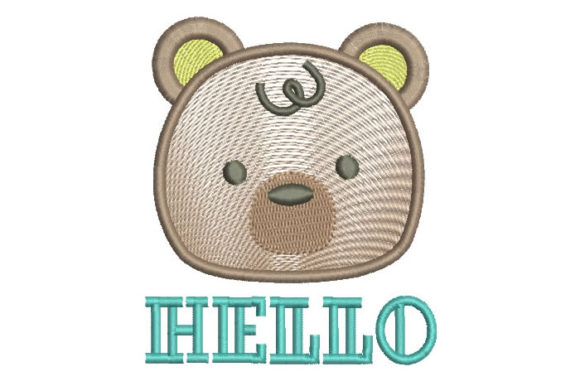
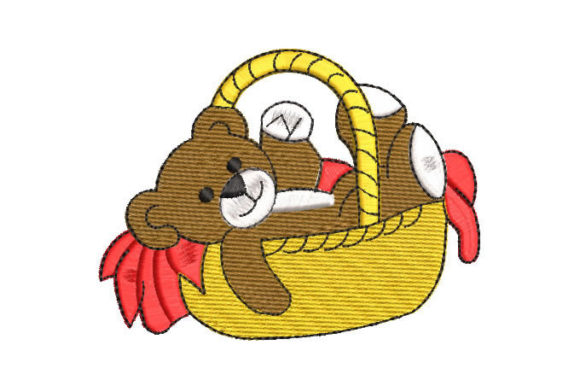
The design features a classic teddy bear nestled comfortably, evoking feelings of safety and affection. For those of us running small shops or Etsy stores, emotional resonance is key. Customers are not just buying thread on fabric; they are buying a feeling. The Teddy Bears motif is timeless, but the "in basket" composition adds a layer of storytelling that elevates it above standard clipart. It suggests a gift within a gift, making it an ideal candidate for personalized presents.
Seasonal Versatility and Product Application
When planning a seasonal product drop, versatility is your best friend. You need designs that can pivot across multiple categories without losing their appeal. Bear in Basket excels here because its aesthetic bridges the gap between nursery decor and general holiday home accents. I envision this design performing exceptionally well on a variety of substrates. For apparel, imagine this stitched onto a soft, heather-gray sweatshirt. The sweatshirt embroidery trend is massive right now, and a subtle, high-quality bear design appeals to adults who want whimsical comfort wear, not just children’s clothing.
Beyond apparel, consider home textiles. A set of kitchen towels featuring this bear could be marketed as a charming holiday hostess gift. The kitchen towel embroidery market thrives on designs that feel handmade and personal. Similarly, this pattern would look delightful on a linen pillow cover, adding a touch of rustic elegance to a winter living room setup. For the craft fair circuit, creating embroidered patches with this design allows customers to add a festive touch to denim jackets or backpacks later, increasing the perceived value of a low-cost item.
For baby-focused sellers, this is a goldmine. Baby bibs, burp cloths, and nursery wall hangings are perennial bestsellers. The adorable character fits seamlessly into nursery room decorations, offering a gentle alternative to brighter, more chaotic baby motifs. If you offer personalization, adding a name beneath the basket creates a powerful personalized gift that commands a higher price point and reduces return rates, as customized items are rarely returned.
Navigating Technical Challenges in Production
While the aesthetic appeal is strong, a professional review must address the technical realities of stitching. Before you list this as a digital embroidery file or start mass-producing finished goods, you must test thoroughly. One common issue with detailed animal designs is stitch density. If the stitch density is too high for lightweight fabrics like jersey knits or thin cotton bibs, the fabric may pucker or distort. I strongly recommend using a cut-away stabilizer for stretchy garments and a tear-away for stable woven fabrics like tote bags or aprons.
Fabric texture also plays a crucial role. On terry cloth towels, small details can get lost in the loops. You may need to adjust your thread tension or use a water-soluble topping to ensure the bear’s facial features remain crisp. When working with dark fabrics, pay close attention to your thread colors. A standard brown bear might disappear on a chocolate-brown fleece. In such cases, consider using metallic or variegated threads to create contrast, or offer the design primarily on light-colored blanks to ensure visibility.
Hoop size is another critical factor. Since the description does not specify exact dimensions, you must check the file details before purchasing or listing. If the design is large, it may not fit on standard cap hoops or small baby accessories. Conversely, if it is small, ensure that the fine details do not become muddy when scaled down. Always stitch out a test sample on the actual material you intend to sell. Never assume a design will look the same on silk as it does on denim.
Maximizing Sales Through Strategic Marketing
From a marketing perspective, Bear in Basket offers excellent opportunities for visual storytelling. As an Etsy seller or small business owner, your product photos must convey the quality and mood of the item. Use realistic mockups that show the embroidery in context. For example, photograph the design on a folded blanket next to a cup of hot cocoa and pine cones. This creates a lifestyle narrative that appeals to holiday shoppers looking for cozy vibes.
Create bundles to increase average order value. Pair a tote bag design featuring the bear with a matching embroidered patch or a set of coasters. Holiday shoppers love convenience, and curated gift sets save them time. Social media previews should highlight the texture of the stitches. Close-up videos showing the needlework process can build trust and demonstrate the premium quality of your commercial embroidery work.
Timing is everything. Launch these products early in the season. While many sellers wait until December, savvy shoppers buy holiday decor and gifts in October and November. Position this design as part of a "Cozy Winter Collection" or "Nursery Essentials" line. Use keywords like "handmade gift," "rustic home decor," and "baby shower present" to capture search traffic from buyers who are specifically looking for unique, non-mass-produced items.
Final Designer Notes for Successful Implementation
To ensure success with Bear in Basket, keep these practical steps in mind. First, verify the commercial licensing terms. Ensure that the embroidery file provider allows you to sell finished physical products. Second, create a consistent color palette. If you are selling a collection, ensure the thread colors used for the bear complement other designs in your shop. This builds brand consistency and encourages repeat purchases.
Finally, engage with your customers. Ask them where they would like to see this design next. Would they prefer it on an apron? A pet bandana? Customer feedback can guide your future product development. By treating this design not just as an image, but as a versatile component of a broader seasonal strategy, you can maximize its potential. Whether used for seasonal embroidery on holiday ornaments or year-round baby items, Bear in Basket has the charm and flexibility to become a staple in your product lineup, provided you respect the technical nuances of machine embroidery.