Hello Bear: A Designer’s Review for Branded Merch
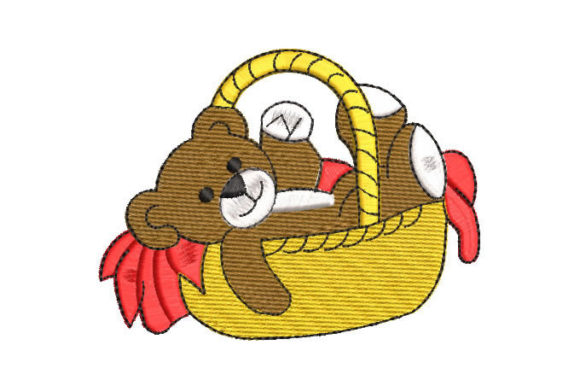
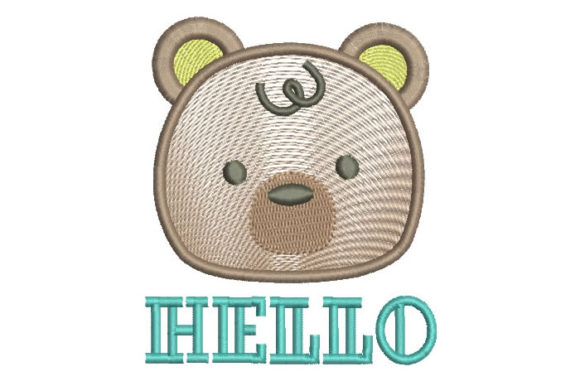
As an embroidery designer who has spent years digitizing and reviewing files for commercial use, I approach every new machine embroidery design with a critical eye. It is not just about whether a motif looks cute on a screen; it is about how it performs under the needle, how it holds up after washing, and most importantly, how it serves a business owner’s brand. Today, I am reviewing Hello Bear, a charming teddy bear motif that promises to be an adorable accent for various projects. While the initial description highlights its suitability for children’s items like baby bibs and nursery decor, I want to dig deeper into its potential for small business merchandise, branded patches, and professional apparel.
First Impressions: Visual Personality and Brand Fit
The first thing you notice about Hello Bear is its approachable warmth. In the world of branding, softness sells. This design does not scream corporate rigidity; instead, it whispers friendliness, comfort, and care. For businesses in the family-oriented sector—such as boutique bakeries, pediatric clinics, pet grooming studios, or handmade toy shops—this visual personality is gold. It feels handmade yet polished, striking a balance between rustic charm and modern simplicity.
However, "adorable" can sometimes translate to "juvenile" if not handled correctly. The key to leveraging Hello Bear in a professional context is context. When placed on a high-quality linen tote or a structured cap, the design elevates from a simple cartoon to a sophisticated brand mark. It suggests that the business values attention to detail and has a human touch. For Etsy sellers and crafters, this aligns perfectly with the expectation of a handmade product. It signals to the buyer that there is a person behind the brand, not just a factory line.
Real-World Applications for Small Business Merch
Let us move beyond the nursery and look at how this embroidery file can function in a broader commercial landscape. The versatility of a teddy bear motif allows it to cross over into several industries if styled correctly.
- Branded Patches: This is perhaps the strongest use case. An embroidered patch featuring Hello Bear can be sewn onto denim jackets, canvas bags, or even laptop sleeves. Patches are low-risk, high-reward merchandise because they do not require sizing adjustments like shirts do. They are easy to produce in batches and serve as walking advertisements for your brand.
- Staff Uniforms and Aprons: For cafés, florists, or artisanal shops, staff attire is part of the customer experience. Embroidering Hello Bear on the chest pocket of a canvas apron embroidery project adds a layer of approachability. It makes staff appear friendly and accessible. However, ensure the placement is consistent across all uniforms to maintain professionalism.
- Cap Embroidery: A small version of this design on the front panel of a dad hat or baseball cap is a trendy way to offer custom apparel. Caps are popular retail items, and a subtle, well-digitized bear logo can become a recognizable symbol for your local business.
- Tote Bag Design: Reusable bags are staples for boutiques and markets. Placing Hello Bear centrally on a cotton tote creates an instant connection with eco-conscious shoppers who also appreciate cute aesthetics. It turns a utility item into a keepsake.
Technical Considerations and Production Challenges
While the aesthetic appeal is strong, any experienced embroiderer knows that beauty lies in the execution. Before you commit to a large run of commercial embroidery, you must address several technical factors. The product description notes that this design is suitable for baby outfits and nursery decor, which implies it may have been optimized for softer, lighter fabrics. This presents specific challenges when adapting it for heavier merchandise.
Stitch density is a primary concern. If the design is too dense, it will pucker lightweight fabrics like baby bibs or thin cotton tees. Conversely, if it is too sparse, it may look flimsy on heavy canvas totes or denim jackets. You must check the digital embroidery file settings. If you are scaling the design down for a small patch or a cap front, ensure that the details do not collapse. Tiny elements can turn into a blob of thread if the resolution is not maintained.
Fabric texture also plays a crucial role. On textured materials like terry cloth (for bibs) or rough canvas (for totes), fine outlines may get lost. I recommend running test stitches on the exact material you plan to use for your finished product. Additionally, consider the thread colors. While the default colors might be pastel or traditional brown, think about your brand identity. Does a monochrome black-and-white version look more premium? Does a high-contrast color scheme improve visibility on dark uniforms?
Another critical factor is the hoop size. Ensure that the design fits within your standard hoop capabilities without requiring excessive re-hooping, which increases production time and labor costs. For small business owners, efficiency is profit. If Hello Bear requires a specialized large hoop for a small logo, it may not be cost-effective for high-volume orders.
Enhancing Brand Identity and Customer Trust
Why does the choice of embroidery matter for brand identity? Because tactile experiences build trust. When a customer receives a package with a beautifully embroidered patch or a tote bag with a sturdy, well-stitched logo, they perceive higher value. Hello Bear contributes to this by offering a sense of nostalgia and comfort. In a digital world, physical texture stands out.
Consistency is key. If you use Hello Bear on your packaging, ensure it matches the tone of your online presence. Use it as part of a cohesive set of design assets. Create a printable mockup to show clients how the embroidery will look on different products before they order. This transparency builds confidence and reduces return rates. For Etsy sellers, showing close-up photos of the stitch quality can significantly boost conversion rates, as buyers want to see the craftsmanship behind the small business merch.
Practical Designer Notes for Implementation
To ensure success with Hello Bear, follow these practical steps before launching your product line:
- Test in Monochrome: Digitize or adjust the file to run in single-color thread. This helps you evaluate the shape and clarity of the design without the distraction of color. If it looks good in black and white, it will look great in color.
- Check Scalability: Resize the design to its smallest intended use, such as a hat front or a small patch. Inspect the preview for broken lines or overlapping stitches. If details disappear, simplify the design or increase the size.
- Select the Right Stabilizer: The description mentions baby bibs and outfits, which often require cut-away stabilizers for durability through frequent washing. For tote bags, a tear-away might suffice, but for heavy-use items like aprons, a cut-away ensures the design remains flat and intact.
- Verify Licensing: Before using Hello Bear for commercial purposes, confirm the license terms of the digital embroidery file. Ensure you have the right to sell items made with this design. Never assume; always read the fine print to protect your business.
- Create Client Mockups: Use photo editing software to place the design on realistic product images. This helps customers visualize the custom apparel or accessory, making it easier for them to say yes to the purchase.
In conclusion, Hello Bear is more than just a cute motif for Teddy Bears enthusiasts. It is a versatile tool for building a friendly, trustworthy brand image. Whether you are creating embroidered patch collections, outfitting staff with branded aprons, or designing unique tote bags, this design offers significant potential. By paying attention to technical details like stitch density, fabric compatibility, and proper stabilization, you can transform a simple Embroidery file into a powerful asset for your small business. Treat it with the professional rigor it deserves, and it will reward you with loyal customers and distinctive merchandise.