Wildflowes: A Designer’s Review for Branded Merch
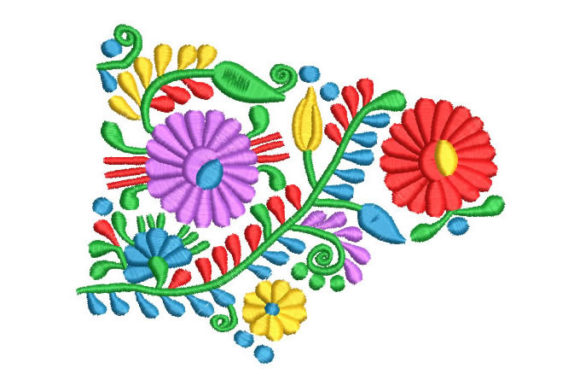
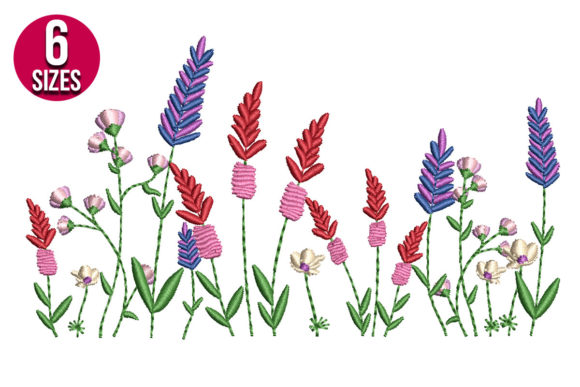
As an embroidery designer who has spent years digitizing and reviewing files for commercial use, I approach every new machine embroidery design with a critical eye. It is not just about aesthetics; it is about functionality, brand consistency, and production viability. When I first loaded the Wildflowes file into my software, my immediate impression was one of joyful energy. This design does not try to be overly rigid or corporate. Instead, it offers a colorful, organic feel that aligns perfectly with the current trend toward authentic, handmade branding.
For small business owners, Etsy sellers, and apparel decorators, finding the right balance between decorative charm and professional polish is difficult. Wildflowes sits comfortably in that sweet spot. It belongs to the Bouquets category, yet its application extends far beyond traditional floral motifs. In this review, I will evaluate how this design performs as a core asset for branded patches, custom apparel, and small business merch.
Visual Personality and Brand Identity Impact
The visual personality of Wildflowes is distinctly friendly and rustic. It feels premium without being stiff. For brands in the lifestyle, wellness, bakery, or florist sectors, this design communicates warmth and approachability. When we talk about brand identity, we are discussing the emotional connection a customer feels when they see your logo or mark. A sterile, geometric logo might convey efficiency, but a colorful wildflower arrangement conveys care, creativity, and nature.
Using Wildflowes on your products can significantly enhance customer trust. It suggests that your business values beauty and detail. Whether you are running a creative studio, a pet brand, or a local boutique, this design adds a layer of visual consistency that ties your physical products together. It transforms a simple tote bag or apron from a utility item into a piece of branded art that customers want to wear and display.
Real-World Applications for Small Business Merch
The versatility of this digital embroidery file is its strongest asset for commercial embroidery projects. Here is how I envision Wildflowes working in real-world scenarios for various industries:
- Embroidered Patches: This is perhaps the most lucrative application. By stitching Wildflowes onto twill or felt backings, you can create iron-on or sew-on patches. These are excellent for adding value to plain denim jackets, canvas bags, or hats. Patches allow customers to customize their own gear, increasing engagement with your brand.
- Staff Uniforms and Aprons: For cafes, bakeries, and florists, staff appearance is part of the customer experience. Embroidering this design on the chest pocket of an apron or the sleeve of a work shirt creates a cohesive look. It signals professionalism while maintaining a relaxed, artisanal vibe.
- Tote Bag Design: Reusable bags are a staple of eco-friendly branding. Placing Wildflowes centrally on a canvas tote creates a striking tote bag design that acts as a walking advertisement. The colorful threads contrast beautifully against natural cotton or linen fabrics.
- Cap Embroidery: While caps require careful placement due to the curved surface, a simplified version of this bouquet can work well on the side panel or as a smaller accent on the front. It adds a feminine or nature-inspired touch to headwear collections.
- Customer Gifts and Packaging: Consider stitching this design on small fabric tags attached to your product packaging. It elevates the unboxing experience and reinforces the handmade quality of your goods.
Technical Considerations and Production Notes
While Wildflowes is visually stunning, successful production requires attention to technical details. As a designer, I always advise testing any new embroidery file before committing to a large production run. Here are the critical factors to consider:
Fabric Texture and Stabilizer Selection
The description notes that this design works on bedsheets, curtains, towels, dresses, scarves, and bags. This implies a wide range of fabric weights. For lightweight fabrics like scarves or dresses, you must use a cut-away stabilizer to prevent puckering. For heavier items like tote bags or aprons, a tear-away stabilizer may suffice, but testing is essential. The fabric texture plays a huge role in how the thread colors pop. On dark uniforms, you may need to adjust the underlay or use a white base stitch to ensure the vibrant colors of the wildflowers remain true.
Stitch Density and Detail
Floral designs often feature intricate details. You must review the stitch density of Wildflowes in your editing software. If the density is too high for thin fabrics, it can cause stiffness or fabric distortion. Conversely, if it is too low, the backing fabric might show through. Check the spacing between color changes. Tight, overlapping stitches can lead to thread breaks during high-speed commercial embroidery. Always inspect the pathing to ensure efficient production.
Size and Scalability
One common mistake is shrinking a detailed design too small. If you plan to use Wildflowes as a small patch or on a cap front, ensure that the细小 details do not merge into a blob. Tiny lettering or fine outlines can get lost if the design is reduced beyond its intended limits. I recommend creating a printable mockup at actual size to visualize how the design will look on the final product. Compare it beside other design assets to ensure it holds its own visually.
Enhancing Product Value and Buyer Engagement
In the world of online sales, particularly on platforms like Etsy, visual appeal drives clicks. A high-quality photo of Wildflowes embroidered on a textured linen napkin or a structured canvas bag can significantly boost buyer engagement. It shows the tangible quality of your handmade product. Customers are willing to pay more for items that feature intricate, well-executed embroidery because it signifies labor and skill.
Furthermore, using consistent design elements like Wildflowes across your product line helps build recognition. When a customer sees that same joyful floral motif on your website, your packaging, and your social media posts, it reinforces your brand story. It tells them that you are thoughtful and detail-oriented. This consistency builds trust, which is the foundation of repeat business.
Final Designer Recommendations
Before you integrate Wildflowes into your commercial workflow, follow these practical steps:
- Test in Black and White: Convert the design to grayscale in your viewer. This helps you identify contrast issues and ensures the shape holds up without relying solely on color.
- Check Commercial Licensing: Always confirm the license terms included with the digital embroidery file. Ensure you have the rights to use it for physical goods sold in your shop.
- Verify Hoop Size: The description does not specify exact dimensions, so check the file details to confirm it fits your available hoop size. You may need to split the design if it exceeds your machine's capacity.
- Thread Color Matching: Match the digital thread colors to your physical inventory. If you do not have the exact shades, substitute with similar tones to maintain the joyful, colorful aesthetic described in the product details.
- Create Client Mockups: If you are doing custom work for clients, use the design in a digital mockup to get approval before stitching. This saves time and materials.
In conclusion, Wildflowes is a strong contender for small business merchandise. It brings life to plain textiles and offers a versatile solution for brands looking to project a friendly, natural, and professional image. By paying attention to stabilizer choice, fabric compatibility, and sizing, you can leverage this Embroidery design to create high-value, memorable products that resonate with your audience.