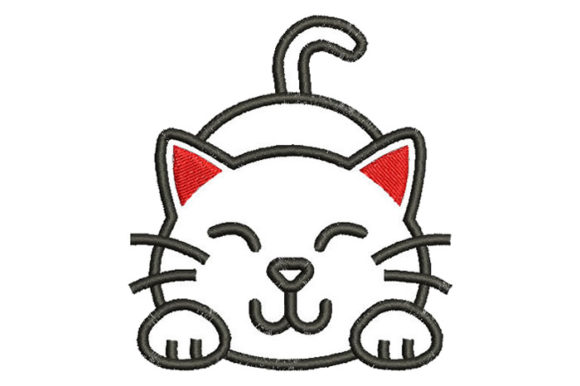
Reviewing Children s Cat for Small Business Merch
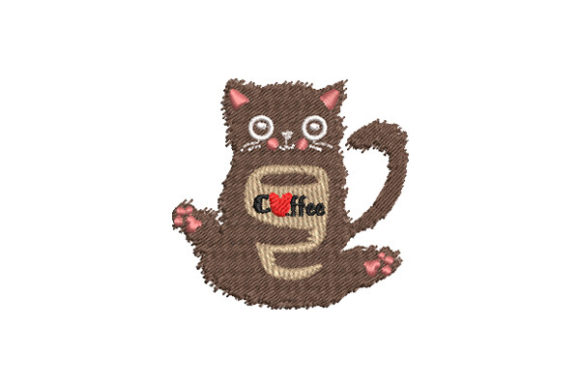
As an embroidery designer who has spent years digitizing and testing files for commercial use, I approach every new machine embroidery design with a critical eye. It is not just about whether a motif looks cute on a screen; it is about how it performs under the needle, how it wears after fifty washes, and how it elevates a brand’s perceived value. Recently, I evaluated Children s Cat, a playful feline motif intended for creative projects targeting younger audiences. For small business owners, Etsy sellers, and boutique creators, understanding the practical application of this design is crucial before adding it to your library of design assets.
First Impressions: Visual Personality and Brand Fit
The immediate impression of Children s Cat is one of approachability and warmth. The description highlights its fun and playful nature, suggesting a style that leans away from rigid corporate minimalism and toward a handmade, friendly aesthetic. For businesses in the pet care, children’s apparel, or family-oriented bakery sectors, this visual personality is a significant asset. It does not scream "luxury" in the traditional sense, but it exudes charm, which is a powerful driver for customer engagement in niche markets.
When considering brand identity, consistency is key. If your shop relies on soft pastels, rounded typography, and a welcoming atmosphere, this cat motif integrates seamlessly. However, if your brand is built on stark modernism or industrial chic, this design might feel disjointed. The success of Children s Cat lies in its ability to humanize a brand, making it feel accessible and trustworthy to parents and young customers alike.
Real-World Applications for Small Business Merch
The versatility of a digital embroidery file is determined by how well it adapts to various substrates. Based on the playful nature of this design, here is how it performs in real-world commercial scenarios:
- Embroidered Patches: This is perhaps the strongest use case. A patch allows for controlled stitching on a stable backing before being applied to garments. Children s Cat works exceptionally well as an iron-on or sew-on patch for denim jackets, backpacks, or lunch boxes. It creates a tangible, high-value add-on that customers love.
- Apron Embroidery: For bakeries, florists, or craft studios offering workshops, staff aprons are walking billboards. Placing this cat motif on the chest pocket area adds a touch of whimsy without overwhelming the uniform. It signals to customers that the environment is family-friendly and relaxed.
- Tote Bag Design: Canvas tote bags are staples for boutique retail. The sturdy weave of canvas supports embroidery well, provided the stitch density is managed correctly. This design can serve as a central focal point on a reusable shopping bag, turning a simple utility item into a branded keepsake.
- Cap Embroidery: While possible, caps present challenges due to their curved surface. If you choose to embroider Children s Cat on a dad hat or baseball cap, ensure the design is scaled down appropriately. Large, dense designs can cause puckering on the front panel of a cap, so careful digitizing adjustments are necessary.
Technical Considerations for Professional Results
Transitioning from a concept to a finished product requires technical diligence. The product description notes that the file comes in multiple formats, which is essential for compatibility with various machines. However, several factors must be verified before full-scale production.
First, consider the hoop size. You must confirm that the design fits within your standard hoops without requiring excessive re-hooping, which can lead to misalignment. For small business merch, efficiency is profit. If the design requires a large hoop but is small in scale, you may be wasting stabilizer and time.
Second, evaluate the stitch density and thread colors. Playful designs often utilize multiple color changes to define features like eyes, whiskers, and fur patterns. Each color change adds machine time and potential for thread breaks. I recommend running a test stitch-out on scrap fabric identical to your production material. Check for gaps between color blocks and ensure the tension is balanced. If the design appears too dense, it may pull lightweight fabrics, causing distortion. In such cases, using a cut-away stabilizer is non-negotiable to maintain shape integrity.
Furthermore, fabric texture plays a pivotal role. On fluffy towels or textured knits, fine details can get lost. If you plan to use Children s Cat on plush items, consider simplifying the color palette or increasing the size slightly to ensure visibility. Conversely, on smooth poplin or twill, the details will shine, but you must watch for registration issues where colors meet.
Strategic Use in Branding and Customer Trust
Using Children s Cat is not just about decoration; it is a strategic branding decision. When customers see consistent, high-quality embroidery on your packaging or merchandise, it builds trust. It signals that you care about the details. An embroidered patch on a product package feels premium compared to a printed sticker. It invites touch and interaction, which increases the perceived value of the handmade product.
For Etsy sellers and crafters, this design can differentiate your offerings. Imagine a set of personalized burp cloths or children’s shirts featuring this cat. It transforms a generic item into a custom gift. However, always create a printable mockup or a digital proof for client approval before stitching. This manages expectations and reduces the risk of costly errors.
Where to Exercise Caution
While versatile, Children s Cat is not suitable for every application. Avoid using it on items that require extreme durability and frequent industrial washing, such as heavy-duty work uniforms, unless you are certain the stitch structure is robust. Additionally, be cautious with very small sizes. If the design includes tiny elements like pupils or whiskers, shrinking it too much for a small lapel pin or tiny sock label may result in a blob of thread rather than a recognizable cat. Always respect the minimum size limits recommended by the digitizer.
Also, consider the context of Cats in your broader Embroidery catalog. If you already have ten different cat designs, adding another one needs justification. Does Children s Cat fill a gap? Is it playfuller than your existing options? Curating your library ensures you do not dilute your brand with redundant assets.
Final Verdict for Commercial Embroidery
Children s Cat is a strong contender for businesses targeting families, children, and pet lovers. Its strength lies in its emotional appeal and versatility across patches, aprons, and totes. To maximize its potential, treat it as a professional tool. Test it rigorously, pair it with the right stabilizers, and place it strategically on products that benefit from a touch of whimsy. By doing so, you transform a simple embroidery file into a powerful element of your small business merch strategy, driving both sales and brand loyalty.
Before launching any campaign, double-check the commercial licensing terms included with the file. Ensuring you have the right to sell products made with this design is the final, critical step in protecting your business. With proper execution, Children s Cat can become a signature element of your brand’s visual language.