Reviewing Happy St Patrick s Day for Craft Fairs
As an embroidery designer who has spent countless hours digitizing and testing patterns for the handmade market, I know that not every design translates well from screen to stitch. When preparing for a weekend craft fair or updating an online shop, the difference between a bestseller and a shelf-sitter often comes down to visual impact and production practicality. Recently, I evaluated Happy St Patrick s Day, a vibrant machine embroidery design intended for seasonal products. Here is my professional assessment of how this piece performs in real-world applications, from booth displays to Etsy listings.
First Impressions: Bold, Festive, and Commercially Viable
The immediate appeal of Happy St Patrick s Day lies in its vibrancy. In a sea of generic clover motifs, this design stands out as cool and celebratory. It does not lean heavily into rustic farmhouse aesthetics nor does it try to be overly elegant; instead, it strikes a balance that feels modern and festive. For a craft fair seller, this is crucial. Customers walking past a booth need to understand the theme within seconds. The bold nature of the design ensures it catches the eye from a distance, making it an excellent candidate for high-traffic areas of a display table.
From a design perspective, the "cool" factor mentioned in the product description suggests a contemporary touch. This broadens the potential customer base beyond traditional holiday decorators to include younger buyers looking for trendy apparel or unique home decor. It feels decorative yet approachable, which is the sweet spot for impulse buys at handmade markets.
Product Applications: Where This Design Shines
Choosing the right substrate is half the battle in commercial embroidery. Based on the versatility described, here is how Happy St Patrick s Day performs across various popular craft fair products:
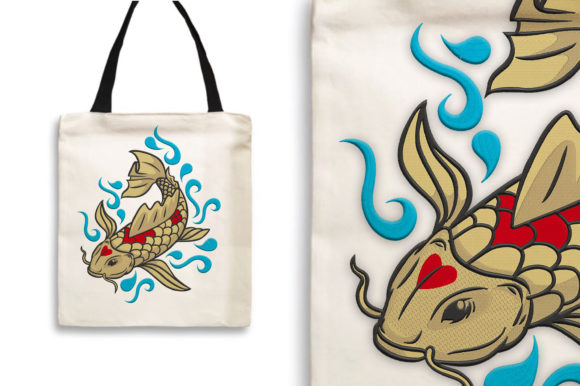
- Tote Bags and Market Bags: This is arguably the strongest application. A tote bag offers a large, flat canvas that allows the vibrant thread colors to pop. As a tote bag design, it serves as both a functional item and a statement piece. Buyers love seasonal totes because they are reusable and giftable.
- Aprons and Tea Towels: Kitchen textiles are staples of the handmade product world. Apron embroidery works well here, provided the design is placed correctly to avoid interference with pockets or ties. For tea towel embroidery, one must be cautious about fabric texture. Textured waffle weaves can distort fine details, so a smoother linen or cotton blend is recommended to maintain clarity.
- Caps and Headwear: Embroidered caps are high-margin items. However, curved cap surfaces present challenges. If the design has wide dimensions, it may wrap awkwardly around the front panel. I recommend checking the width against standard cap hoops. If the design is compact, it makes for a stylish accent; if it is wide, it may require a larger snapback style hat.
- Embroidered Patches: Creating an embroidered patch allows for batch production efficiency. Patches are low-risk inventory because they do not require sizing. This design’s bold lines would translate well to a patch, appealing to customers who want to customize their own jackets or bags later.
- Pillow Covers and Home Decor: For home decor, the design adds a temporary festive touch without being too permanent. It works beautifully on neutral-colored pillow covers, allowing the green and gold tones to serve as the focal point.
Production Practicality and Selling Points
For the small shop product owner, time is money. A key advantage of Happy St Patrick s Day is its likely repeatability. Designs that are easy to understand at a glance sell faster because the value proposition is immediate. There is no need to explain the joke or the theme; it is instantly recognizable as a St Patrick S Day celebration item.
Photography is another critical factor. Vibrant designs photograph exceptionally well for Etsy seller listings. The contrast between bright threads and neutral fabrics creates natural visual interest in digital photos. When creating a printable mockup for online previews, ensure the lighting highlights the sheen of the threads. This enhances the perceived quality of the finished product.
However, practical selling requires honesty about limitations. If the design includes small lettering or intricate details, it may lose clarity when scaled down for small pouches or children’s clothing. Always verify the minimum viable size before committing to a production run of tiny items.
Careful-Use Notes for Embroidery Crafters
Even the best digital embroidery file requires technical diligence. Here are specific considerations for executing this design professionally:
- Stitch Density and Fabric Choice: Dense stitch areas can cause puckering, especially on lightweight fabrics like pajamas or thin cotton shirts. Use a cut-away stabilizer for garments that will be washed frequently to prevent distortion. For thicker fabric like denim or canvas totes, a tear-away may suffice, but test first.
- Thread Colors and Contrast: The success of this design relies on thread colors. Ensure high contrast between the design and the base fabric. Stitching vibrant greens on dark forest green fabric will result in a loss of detail. On dark fabric, consider using a lighter underlay or adjusting the thread palette to include brighter highlights.
- Hoop Size and Placement: Confirm hoop size compatibility before purchasing. If the design is large, you may need a 5x7 or 6x10 hoop. Always center the design carefully, especially on asymmetrical items like aprons or caps.
- Commercial Licensing: Before selling any finished product, confirm commercial licensing terms. Most digital sellers allow physical sales of finished items but prohibit the resale of the design assets themselves. Read the license included with the multipl formats carefully.
Enhancing Brand Consistency and Buyer Engagement
Integrating Happy St Patrick s Day into your lineup can strengthen brand consistency if your shop focuses on seasonal, cheerful goods. It signals to repeat customers that you are current and attentive to trends. In a booth display, use this design as a anchor piece. Surround it with complementary items in coordinating colors to create a cohesive visual story.
Buyer engagement increases when customers can visualize the item in their lives. Display the embroidered tote bag with fresh flowers or the apron with kitchen utensils. These styling cues help customers imagine owning the product. For online sellers, use lifestyle images alongside flat lays to show scale and texture.
Final Designer Recommendations
Before launching this design into your product line, follow these essential steps:
- Test on Scrap Fabric: Never skip the test stitch. Run the design on the exact fabric type you intend to sell. Check for thread breaks, nesting, or registration issues.
- Inspect Stitch Density: Look at the back of the test stitch. Excessive buildup can make garments uncomfortable. If necessary, adjust tension or use a water-soluble topping for textured materials.
- Create Real Mockups: Digital mockups are helpful, but a physical sample is irreplaceable. Hold the finished product in your hand. Does it feel premium? Is the stitching clean?
- Check File Formats: The description mentions multiple formats. Ensure you have the correct file for your specific machine brand to avoid conversion errors that can alter stitch paths.
In conclusion, Happy St Patrick s Day is a strong contender for seasonal craft fair products. Its vibrant aesthetic and versatility across bags, apparel, and home decor make it a flexible asset for embroidery business owners. By paying attention to technical details like stabilizer choice and fabric contrast, you can transform this digital file into a high-quality finished product that drives sales and delights customers. Remember, the key to success in the handmade market is not just having a pretty design, but executing it with professional precision.