Japanese Geisha: A Designer’s Review for Craft Fairs
As an embroidery designer who has spent countless weekends behind a booth table, I know that the difference between a browsing customer and a buying customer often comes down to visual impact. When I first loaded the Japanese Geisha machine embroidery design onto my screen, my immediate thought was about its potential as a high-converting craft fair product. The description promises a "delicate and fresh touch," and in the world of handmade goods, that specific aesthetic can be a powerful seller. This review breaks down how this design performs in real-world scenarios, from the initial stitch-out to the final sale on your Etsy shop or local market stall.
First Impressions: Elegance Meets Marketability
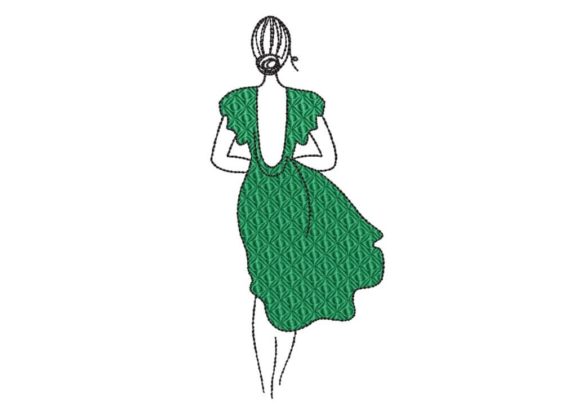
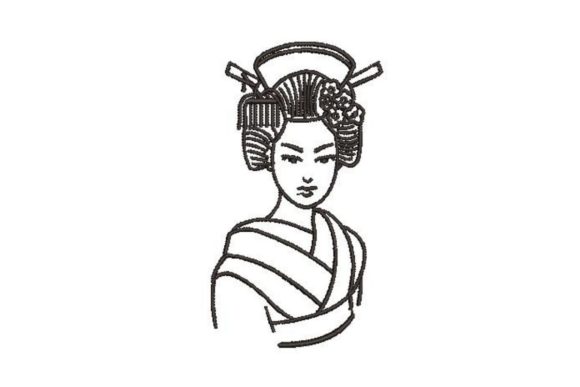
The Japanese Geisha design falls squarely into the Beauty category, but it carries a weight of cultural elegance that elevates it above standard decorative motifs. In a sea of farmhouse signs and minimalistic line art, this design offers a narrative. It feels premium and sophisticated. For a craft fair seller, this is crucial. You are not just selling thread on fabric; you are selling an atmosphere. The intricate lines associated with traditional geisha imagery suggest a level of artistry that justifies a higher price point for your finished product. It is not cute in a childish way; it is striking. This distinction matters when you are trying to attract buyers looking for unique, giftable handmade items rather than generic decor.
Product Placement: Where This Design Shines
Not every embroidery file works on every substrate. Based on the "delicate" nature of the Japanese Geisha, I have evaluated its performance across various popular craft fair products.
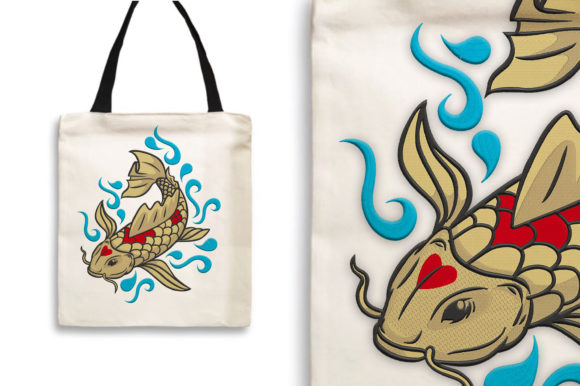
- Tote Bags and Market Bags: This is arguably the strongest application. A canvas tote provides a large, flat surface that allows the details of the geisha’s face and attire to breathe. As a tote bag design, it transforms a utilitarian item into a fashion statement. Customers love seeing these designs in person because they can immediately visualize carrying their groceries or books with a touch of artistic flair.
- Apron Embroidery: For the culinary enthusiast, an apron featuring this design moves beyond utility into the realm of wearable art. The contrast of traditional beauty against the rugged texture of a linen or cotton apron creates a compelling juxtaposition that catches the eye.
- Tea Towel Embroidery: Here, caution is required. While a tea towel is a classic small shop product, the fabric texture can interfere with fine details. If the Japanese Geisha has very fine lines, they may get lost in the weave of a textured waffle towel. I recommend using a smooth flour sack towel for this application to ensure clarity.
- Embroidered Patches: Patches are incredible volume sellers at fairs. However, you must check the scale. If the design is too detailed for a 2-inch patch, it will become a blob of thread. Ensure the digital embroidery file includes a scaled-down version or simplify the elements if necessary.
- Pillow Covers and Caps: A pillow cover allows for a large hoop size, making it ideal for showcasing the full breadth of the design. For caps, the curved surface presents a challenge. Only use this design on a cap if it is simplified or if you are experienced in handling distortion on curved surfaces.
Production Practicalities for the Busy Maker
When preparing for a weekend craft fair, efficiency is key. You need designs that are repeatable and reliable. The fact that this machine embroidery design comes with multiple embroidery file formats is a significant advantage. It means you are likely covered for various hoop sizes, allowing you to batch produce different products without resizing errors.
However, you must consider stitch density. Designs labeled as "astonishing" or highly detailed often carry a high stitch count. High stitch density can cause puckering, especially on lighter fabrics like silk or thin cotton. Before committing to a large production run, you must test the design on scrap fabric. Check how the thread colors interact with your base fabric. A dark thread on a dark fabric will vanish, while a high-contrast choice will make the Japanese Geisha pop. Always use the right stabilizer. For a design of this nature, a cut-away stabilizer is often safer for garments that will be washed frequently, ensuring the design remains crisp and does not distort over time.
Visual Appeal and Customer Engagement
In a busy marketplace, you have seconds to capture attention. The Japanese Geisha acts as a focal point. Unlike abstract patterns that require closer inspection, figurative designs communicate instantly. A customer walking by sees the face, recognizes the style, and stops. This engagement is the first step in the sales process. Furthermore, this design photographs exceptionally well for your online presence. Whether you are an Etsy seller creating listings or a digital seller creating printable mockups, the strong lines and recognizable subject matter translate beautifully to screens. High-quality photos of this design on a tote bag or pillow can drive online traffic even after the fair ends.
Careful-Use Notes for Professional Results
To maintain the integrity of your brand consistency and product value, keep these technical constraints in mind:
- Fabric Texture: Avoid highly textured fabrics like heavy burlap or looped terry cloth unless the design is specifically optimized for them. The delicate features of the geisha may lose clarity.
- Small Lettering: If the design includes any text, ensure it is legible at the intended size. Tiny lettering often stitches out poorly and can look messy.
- Dark Fabric: If stitching on black or navy, you may need to add an underlay or use a lighter backing to prevent the fabric color from showing through the stitches.
- Commercial Licensing: Always confirm commercial licensing before selling finished products. Just because you bought the digital embroidery file does not automatically grant you the right to sell the physical items. Check the terms provided with your design assets.
Final Verdict for the Handmade Entrepreneur
The Japanese Geisha is a strong contender for your next collection. It bridges the gap between traditional embroidery aesthetics and modern consumer demand for meaningful, beautiful objects. It is not just a pattern; it is a statement piece that adds perceived value to your handmade product. By carefully selecting the right fabric, managing your stitch density, and placing the design on appropriate items like tote bags and pillows, you can create a best-selling craft fair product. Remember, the goal is to let the design do the talking. Create at least one real mockup, compare fabric colors, and trust your instinct as a creative entrepreneur. If it looks good in your hand, it will sell on your table.