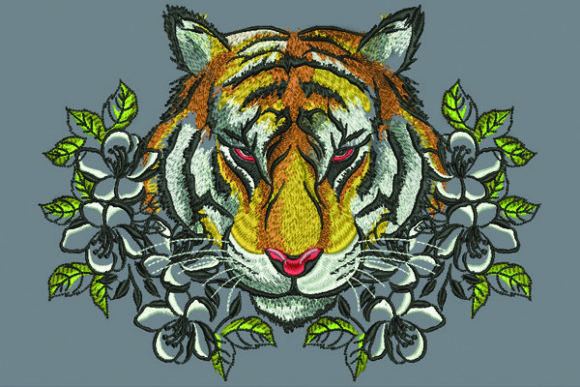
Tiger and Flowers: A Designer’s Craft Fair Review
As an embroidery designer who has spent countless weekends behind a booth table, I know that not every machine embroidery design translates into a bestseller. Some designs look beautiful on a screen but fail to catch the eye of a passing customer. Today, I am reviewing Tiger and Flowers, a piece from the Wild Animals category, to determine if it deserves a spot in my upcoming craft fair lineup. This review is written for fellow Etsy sellers, boutique makers, and creative entrepreneurs who need to know if a design will actually move inventory.
First Impressions: Bold Meets Delicate
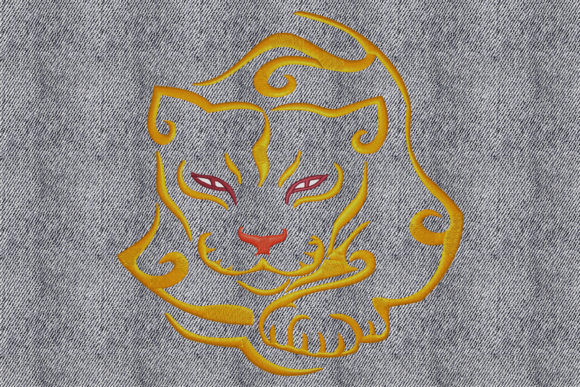
The first thing that strikes me about Tiger and Flowers is the contrast. The description promises a combination of a strong, fearless character with the delicate beauty of flowers. In the world of Embroidery, this juxtaposition is a powerful sales tool. It moves the design away from generic wildlife clips and into the realm of artistic statement pieces. It feels modern yet rustic, appealing to customers who want something bold but not aggressive. For a craft fair setting, this visual tension stops people in their tracks. It is not just a tiger; it is a narrative.
When evaluating a digital embroidery file, I look for immediate clarity. Does the customer understand what they are looking at from three feet away? With Tiger and Flowers, the strong outlines of the tiger likely provide the anchor, while the floral elements soften the overall aesthetic. This makes it versatile. It is not too masculine for a gift shop, nor too feminine for a rugged outdoor brand. It sits comfortably in the middle, maximizing its potential audience.
Product Application and Visual Appeal
The true test of any design is how it performs on physical goods. I imagine setting up my display with a variety of items. Here is how I see Tiger and Flowers performing across different products:
- Tote Bags: This is arguably the best application. A canvas tote provides a large, flat surface that allows the details of the flowers and the tiger’s expression to shine. As a tote bag design, it becomes a walking advertisement for the buyer’s style. It feels premium and artistic.
- Aprons: An apron embroidery featuring this motif would sell well to home cooks who appreciate whimsy. Placing the design on the bib or the lower skirt of the apron creates a focal point that doesn't interfere with functionality.
- Tea Towels: For tea towel embroidery, scale is critical. If the design is too large, it overwhelms the linen. However, if scaled down correctly, it makes for a charming kitchen accent. The key here is ensuring the stitch count isn't so dense that it makes the towel stiff.
- Embroidered Patches: Patches are high-volume craft fair products. If the design holds up at a smaller size, it can be ironed onto jackets, backpacks, or hats. This turns the design into a low-cost impulse buy.
- Pillow Covers: A centered tiger surrounded by florals works beautifully on throw pillows, adding a touch of wild elegance to living room decor.
For online listings, such as those for an Etsy seller, this design photographs exceptionally well. The contrast between the animal and the flora allows for creative lighting and styling. You can pair it with natural elements like wood slices or dried leaves to enhance the rustic vibe in your printable mockup or live photos.
Production Practicality and Batch Efficiency
From a production standpoint, time is money. When preparing for a market, I need designs that are repeatable and reliable. Tiger and Flowers seems suited for batch production, provided the stitch density is managed well. Complex floral details can sometimes lead to thread breaks if the digitizing is too tight. I recommend running a test stitch-out on scrap fabric before committing to a full run of finished products.
One major advantage of this design is its adaptability as a small shop product. It does not require specialized equipment beyond a standard hoop. However, you must check the recommended hoop size included in the file details. If the design requires a large hoop, it may limit your ability to produce smaller items like caps or pouches efficiently. Always confirm the file formats provided to ensure compatibility with your specific machine.
Material Considerations and Careful Use
Not all fabrics treat embroidery equally. When using Tiger and Flowers, consider the following material constraints:
- Fabric Texture: Textured towels or thick denim can obscure fine floral details. Ensure the thread colors contrast sharply with the fabric. A dark tiger on a navy bag might get lost; try a lighter thread palette for dark fabrics.
- Curved Surfaces: Embroidering on caps requires careful hooping. If the design is wide, it may distort on the curved front panel of a hat. Check if the design fits within the usable area of a cap frame.
- Stabilizer Selection: To maintain the integrity of the tiger’s fierce expression, use the right stabilizer. Cut-away stabilizer is often best for garments that will be washed frequently, ensuring the design does not pucker over time.
- Small Details: If scaling down for patches, verify that the tiny petals do not turn into blobby knots. Simplified versions of the design may be necessary for very small applications.
Enhancing Brand Consistency and Buyer Engagement
Incorporating Tiger and Flowers into your lineup can strengthen your brand identity if you position it correctly. It speaks to customers who value uniqueness and artistic flair. It is not a generic clipart; it is a curated piece of commercial embroidery art. This perception of quality allows you to price your handmade product higher than simple monogrammed items.
Booth display strength relies on variety. Use this design as a centerpiece. Surround it with simpler, complementary items. Let the tiger draw them in, then upsell them on matching smaller items like coin purses or keychains. The emotional connection formed by the striking imagery increases buyer engagement. Customers are more likely to stop, touch, and ask about the story behind the design.
Final Designer Notes for Success
Before you list Tiger and Flowers as a core part of your inventory, take these practical steps:
- Test on Scrap Fabric: Never skip this step. Check for thread breaks and tension issues.
- Review Spacing: Ensure there is enough space between the tiger and the flowers to prevent thread nesting.
- Check Commercial Licensing: The product description mentions it is a machine embroidery file, but always confirm the license terms. Ensure you are allowed to sell finished physical products made with this design asset.
- Create Real Mockups: Do not rely solely on digital previews. Stitch it out on the actual fabric you plan to sell. Photograph this real-life version for your online store to build trust.
- Compare Fabric Colors: Test the design on white, black, and neutral tones to see which offers the best visual pop.
In conclusion, Tiger and Flowers is a strong contender for craft fair success. It balances boldness with beauty, making it appealing to a wide demographic. By paying attention to production details like stabilizer choice and fabric texture, you can turn this Wild Animals themed design into a profitable staple of your handmade business. Whether you are selling tote bags, aprons, or patches, this design offers the visual impact needed to stand out in a crowded market.