Electric Train: A Designer’s Review for Craft Fair Success
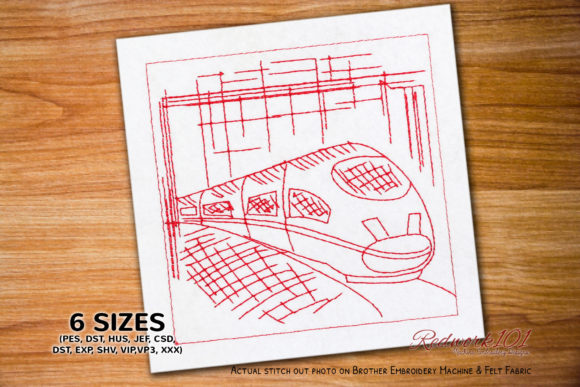
As an embroidery designer who has spent countless hours behind the hoop and even more time standing behind a table at weekend markets, I look at every new machine embroidery design with a critical eye. It is not just about whether the stitches look pretty on the screen; it is about whether the design will stop a shopper in their tracks, survive the wash, and ultimately pay for my booth fee. Today, I am reviewing Electric Train, a redwork embroidery pattern that promises to be a standout for any transportation-themed project.
When I first loaded the digital embroidery file into my software, the immediate impression was one of nostalgic charm mixed with modern simplicity. Redwork, by definition, relies on a single thread color—traditionally red—to create high-contrast, graphic imagery. Electric Train leans into this aesthetic beautifully. It feels rustic yet clean, making it versatile enough for farmhouse kitchens, children’s nurseries, or vintage-inspired apparel. For those of us running a small shop product line, this versatility is gold. You do not need five different designs to cover multiple demographics; you need one strong design that adapts well.
Visual Appeal and First Impressions
The strength of Electric Train lies in its clarity. In a busy craft fair environment, customers often scan tables from three feet away. Complex, overly dense designs can look like a blur from a distance. However, the open nature of redwork allows the motif to breathe. The train silhouette is recognizable instantly, which is crucial for impulse buys. The description notes that the design is "perfectly suitable for any transportation-related project," and I agree. It captures the whimsy of childhood without being overly cartoonish, giving it a premium, handmade feel rather than a mass-produced look.
The optional Box Stitch mentioned in the product details is a smart inclusion. For a craft fair product, framing your design can elevate it from a simple patch to a finished piece of art. If you are selling standalone patches or iron-ons, the box provides a clean edge. If you are embroidering directly onto a tote bag, you might skip the box to let the train interact more dynamically with the fabric texture. This flexibility allows you to create varied products from a single embroidery file, maximizing your return on investment.
Product Applications for Maximum Sales
Where does Electric Train perform best? Based on my experience with similar transportation motifs, here is how I would deploy this design in a real-world booth setup:
- Tote Bag Design: This is likely your highest volume seller. A natural canvas tote with a crisp red train stitched in the corner or centered creates an instant classic. The contrast of red thread on beige or white cotton is timeless. It appeals to parents, teachers, and anyone who loves vintage aesthetics.
- Apron Embroidery: Kitchenware is a staple of handmade markets. An apron with Electric Train stitched on the bib or pocket adds a playful touch to a functional item. It works particularly well for gifts aimed at grandparents or fathers who enjoy cooking.
- Tea Towel Embroidery: Redwork has historical roots in kitchen linens. Using this design on flour sack towels creates a cohesive collection. Because redwork uses less thread than full-coverage satin stitches, it remains soft and absorbent, which is a key selling point for kitchen textiles.
- Embroidered Patch: If you have the capability to make cut-out patches, this design is ideal. The clean lines translate well to smaller sizes. These can be sold as add-ons to increase average order value.
- Caps and Hats: While possible, curved surfaces require careful hooping. The design’s simplicity helps here, as complex curves can distort on a cap. Ensure you use a sturdy stabilizer to prevent puckering on the structured front panel.
Production Practicality and Batch Efficiency
For the Etsy seller or boutique maker, time is money. One of the biggest advantages of Electric Train is its likely low stitch count relative to its visual impact. Redwork designs typically run faster than filled designs because they consist mostly of running stitches or simple backstitches. This means you can produce more units in less time. Whether you are preparing for a holiday market rush or fulfilling custom orders, the efficiency of this commercial embroidery asset cannot be overstated.
Photography is another area where this design shines. High-contrast images photograph exceptionally well for online listings. The sharp distinction between the red thread and light fabric creates a striking printable mockup or social media post. You do not need expensive lighting setups to make the design pop; natural light and a clean background are sufficient. This ease of marketing translates directly to higher engagement on platforms like Instagram and Pinterest.
Critical Considerations for Quality Control
While Electric Train is a strong contender for your product line, there are technical nuances to consider before you start stitching your inventory. As a designer, I always advise testing on scrap fabric first. Here are specific areas to watch:
- Fabric Texture: Redwork reveals the weave of the fabric. On coarse linen or burlap, the stitches may sink in or look uneven. Test on your intended material to ensure the thread sits on top properly. Smooth cottons and canvas blends usually yield the crispest results.
- Thread Contrast: Since this is a single-color design, the choice of red matters. A bright cherry red feels modern and playful, while a deeper burgundy feels vintage and sophisticated. Choose your thread color based on your brand identity. Avoid using red on dark fabrics unless you switch to a contrasting light color, which changes the traditional redwork aesthetic.
- Stitch Density: Although redwork is generally light, check the stitch density in the preview. If there are areas where lines cross frequently, ensure your tension is balanced to prevent bunching. Use a tear-away stabilizer for woven fabrics to provide support during stitching without leaving residue.
- Hoop Size: Confirm the required hoop size before purchasing. Ensure it fits within your machine’s capabilities and the dimensions of your products. A design that is too large for a standard pocket hoop may limit your product options.
Enhancing Brand Consistency and Value
Incorporating Electric Train into your lineup can strengthen your brand if you position it correctly. If your shop focuses on nostalgic, Americana, or child-friendly themes, this design reinforces that narrative. Consistency in style builds trust with buyers. When customers see a cohesive look across your tote bags, pillows, and towels, they perceive higher value and professionalism.
Furthermore, the "transportation" category is evergreen. Trains, cars, and planes are perennial favorites for young children and collectors. By offering a high-quality finished product featuring this motif, you tap into a reliable market segment. It is not a fleeting trend; it is a classic subject matter that resonates across generations.
Final Verdict for the Handmade Entrepreneur
Before you commit to bulk production, remember to check the specific license terms of the design assets. Ensure you have the right to sell finished physical goods if that is your business model. Most designers allow this, but it is always wise to confirm.
In summary, Electric Train is a robust addition to any embroidery designer’s library. It balances aesthetic appeal with production efficiency. It is bold enough to catch the eye at a crowded market yet simple enough to stitch quickly and cleanly. Whether you are creating a handmade product for a local fair or listing digital files for other crafters, this design offers the flexibility and charm needed to succeed. Test it, tweak your stabilizer, choose your fabric wisely, and watch this little locomotive pull in sales for your small business.